
Tuesday, September 23, 2025
A Great Idea for the Fall Season!!

Friday, May 16, 2025
Quick Tick Facts
 |

- The two most common ticks found by humans are:
- American dog tick, Dermacenter variablis, or wood tick.
- Blacklegged tick, Ixodes variablis (formerly known as deer tick), which carries Lyme disease and other diseases.
- The brown dog tick is also found in Minnesota, but less commonly seen.
- To avoid tick bites:
- When in the woods, walk on trails and avoid moving through grassy areas.
- Wear protective clothing, such as long-sleeved shirts and pants that are light-colored.
- Use repellents like DEET or permethrin.
- Always follow instructions and read warnings on repellent labels.

Diseases carried by ticks
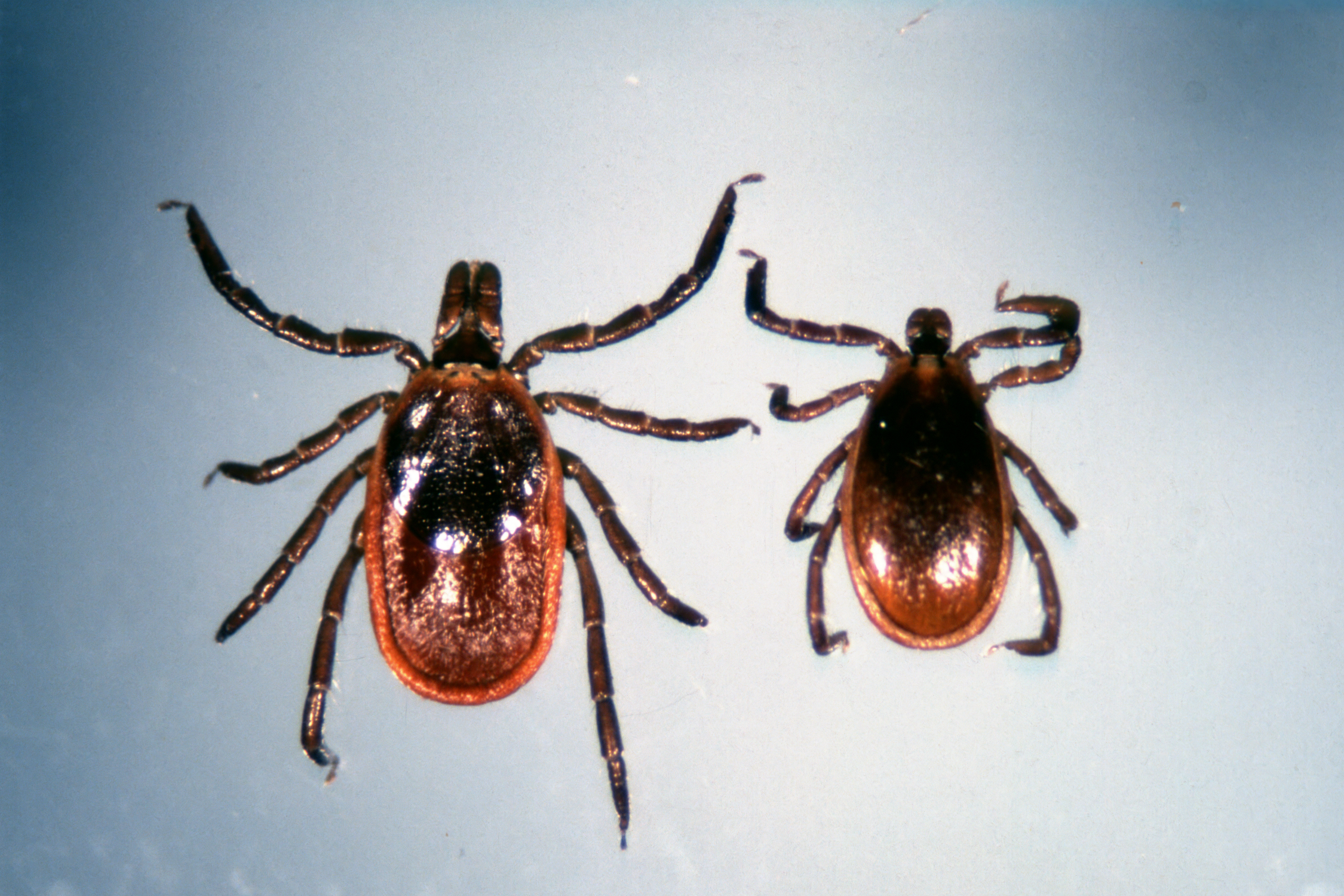
The American dog tick in Minnesota can carry Rocky Mountain spotted fever, though this is rare. For more information on Rocky Mountain spotted fever, see information at the Centers for Disease Control and Prevention (CDC).
The blacklegged tick carries Lyme disease and several other diseases. See the Minnesota Department of Health page on tickborne diseases.
High risk areas for tick exposure in Minnesota include the north central, east-central and southeastern regions of the state, also extending into some northwestern counties. Greatest risk is found within hardwood or mixed hardwood forests, which provide suitable habitat for blacklegged ticks.
Risk of bites from these ticks in Minnesota is highest during the spring, early summer, and fall months. Tickborne diseases have been increasing each year in the state.
A blacklegged tick can only transmit disease to humans through a bite. They can't do so by just crawling on a person. Even when biting, a blacklegged tick must stay attached for at least 24 to 48 hours to transmit Lyme disease (12 to 24 hours to transmit human anaplasmosis).
If you want to find out for sure what type of tick you've found, you can fill out a form and send it and the tick to the health department for proper identification. This helps the state monitor where ticks are active
Wednesday, December 11, 2024
Be Winter Aware

From our friends at Tahoe Nordic Search and Rescue:
(Back in the early days of the Backcountry Trail Patrol, we were responsible for the grooming and patrol of the ski trails at Sand Dunes State Forest. (Orrock, MN) Each year we held a Backcountry Safety Workshop that was modified for our region from the one that Tahoe Nordic SAR and Eldorado Backcountry Ski Patrol put on in the Sierra Nevada. Budget cuts and equipment issues ended grooming at Dunes in 2007.)
These simple tips can help reduce your chances of calling for a rescue. For more comprehensive tips, be sure to read our Winter Awareness Guide.
Tell someone where you are going and when you expect to return.
Travel with a trusted partner. If you get separated from your group, stay put.
Read the weather and avalanche forecast before you go.
Carry emergency supplies, like a whistle, emergency blanket, spare warm clothes, headlamp, extra water and food, cell phone, map and compass, and emergency locator device.
Carry a stocked first aid kit and take a wilderness first aid course to learn how to treat common injuries.
Layer appropriately for the weather conditions and bring spare layers.
In Avalanche Country, from the Adirondacks to the Sierras:
Carry avalanche safety gear—beacon, shovel, probe—and know how to use it.
Thursday, November 21, 2024
American Birkebeiner Announces Birkie Bystander Medical Training Class


What to do until help arrives: communicating effectively with 911; treatment of cardiac arrest including CPR and AED use; and Stop the Bleed. Class size is limited for this 90 minute training, so sign up asap! This class will be offered on a recurring basis, so stay tuned for additional offerings in the future months.
Register now at Birkie Bystander Medical Training Class
Wednesday, August 28, 2024
Remembering Jerry

From the North End Ski Club: REMEMBERING JERRY
The shock and disbelief at recent tragic passing of Jerry Wright have reverberated deeply throughout our local and regional active outdoor community. The North End Ski Club extends its deepest sympathies and support to Jerry’s wife, Laurie, and the many members of our community who knew and loved him.
Though he no longer skied, Jerry played a significant role in North End Ski Club events, particularly the North End Classic ski race, where he was a key member of our first aid team. One of the first and most fervent adopters of winter fat biking, as a member of the National Mountain Bike Patrol and a trained first responder, Jerry was originally recruited to patrol the race course on his fat bike in a year when we were short on first aid coverage. In subsequent years he became a stalwart, go-to volunteer for the race. There was never much of a question if Jerry would be available for the race, he just was. His service and support of the club was highly regarded, and we will miss his whole hearted engagement and professionalism.
 His involvement with the North End Ski Club was just the tip of a very large iceberg that was Jerry’s dedication to the many organizations and causes in his life. Most well-known for his cycling escapades, as a volunteer Jerry devoted an unfathomable amount of time to the Chequamegon Area Mountain Bike Association (CAMBA) where he served on CAMBA’s Trails Team, winter biking, and other committees and played an integral role in race and event planning, putting in an insane number of miles – hundreds and hundreds - marking race courses and doing other course preparation. He also became a leader in CAMBA’s trail rehab and maintenance efforts and was the first and most frequent volunteer to sign up for CAMBA’s bi-weekly trail work days throughout the summer and fall and frequently stepped in for CAMBA leadership dealing with timber sales and forestry issues.
 Jerry was all things bicycling – road, gravel, singletrack, fat biking, bike packing - and never missed an opportunity for a group ride. A skilled bicycle mechanic, he was the consummate bike nerd and could regale you with the minutia of wheel building until your eyes glazed over.
One of his greatest cycling passions, however, was winter grooming of fat bike trails. Most of CAMBA’s recent success in winter biking can directly be attributed to Jerry’s vision and dedicated efforts to make it happen, again putting a crazy amount time and effort. He would totally geek out cobbling together custom grooming drags, repairing snowmobiles, and facilitating and coordinating a team of groomers who prepared over 70 miles of groomed winter bike trails, often in difficult and challenging conditions.
His community engagement extended beyond riding the bike and grooming trails. As a member of Sawyer County Search and Rescue he again put in enormous hours in training and responding to incidents around the region. He took particular pleasure in working with the local NICA middle-school/high school mountain bike team.
And many may not know that Jerry was also an avid sailor. He was part of a volunteer crew on a boat out of Superior and sailed most weeks throughout the summer months. One can only imagine him as part of a team handling the lines and sheets, coming about on the Big Lake. He placed a high priority on his time on the boat and fiercely guarded those opportunities.
Jerry’s loss will leave a big hole, many holes actually, in our community. Memories of his involvement, antics, intellect, humor, and energy are many and widespread and will help temper the hurt and utter sadness and disappointment of his premature passing. But it will hurt for some time none the less.
Thank you Jerry for who you were and everything you’ve done. You were truly one of a kind.
A Caring Bridge site is available for those who wish to leave messages of support and love for Jerry’s family and friends. https://www.caringbridge.org/.../b55357bf-59d7-11ef-a223...
A Go Fund Me site has also been set up to help provide support for Jerry’s family. https://www.gofundme.com/.../support-jerry-wrights...
From the Chief:
Jerry has been a vital and enthusiastic member of the Backcountry Trail Patrol since Gary Crandall introduced him to me over a decade ago. He was the one who rode the Fat Tire 40 beginning to end every year, worked almost all of the CAMBA events, and loved the winter rides. CAMBA will miss him, we will miss him, I will miss him. Thank you, our teammate and friend for everything you have been and done. You wore the jersey well.
Tuesday, August 13, 2024

Saturday, June 29, 2024


Subscribe to:
Posts (Atom)
-
 Thanks to the New York State Dept, of Environmental Conservation (and Cabela's) for the suggestion!
 -
 The two most common ticks found by humans are: American dog tick, Dermacenter variablis, or wood tick. Blacklegged tick, Ixodes variabl...
