The Backcountry Trail Patrol Association, is a not-for-profit organization formed in 1996 as the North-Central Mountain Bike Patrol (NCMBP), which provides the U.S. Forest Service, Isanti County (MN) County Parks and other requesting agencies with volunteer manpower dedicated to protecting trail users and forest resources through service and backcountry safety education. The primary role of the Backcountry Patrol to serve as "Ambassadors to the Forest". The Patrol also assists by providing first aid/medical support at events related to and taking part on park and forest lands.

Patrol members count the number of visitors, check for hazardous conditions, and educate, assist and inform all trail users. They also perform light trail maintenance, pick up trash and are available to provide first aid/medical and basic mechanical assistance to any forest visitor. In the winter season, these activities may be done using fat-bikes (mountain bikes with 4-inch or wider tires). snowshoes or cross-country skis.Volunteer with BTPA!
Chances are you’ve run into some of our Volunteer Patrol members in their bright red jerseys on the trail, but did you know that you could become a volunteer yourself? We are recruiting volunteers for this year and we have a late start on training because of all the snow this winter. Members of the Mountain Bike Unit patrol team are a dedicated group of men and women who not only enjoy the activity of mountain biking, but also possess a desire to proactively promote awareness and responsible trail use for hikers, cyclists, and equestrians on the Chequamegon-Nicolet National Forest Great Divide District and Isanti County Parks
At its most basic, a trail patrol volunteer has a responsibility to schedule a minimum of eight hours of patrol each month between Memorial Day and the Chequamegon Mountain Bike Festival in mid-September. his may be done on the trails, or as a part of event coverage. During any given patrol, they may be called upon to perform a wide variety of duties; from supplying directions and offering maps and information, to giving basic first aid, to encouraging or exacting compliance with the rules and regulations — even contacting and coordinating the resources needed to respond to emergency situations that may arise.
 The patrol is not law enforcement, but they do work in partnership and communication with the authorized law enforcement agencies and as such are responsible for observing and recognizing any acts that may constitute a potential health hazard to the safety of forest resources and visitors.
 For more information on patrol membership, contact any patrol member or email "BACKOUNTRY (at) TRAILPATROL.ORG"


.jpg)
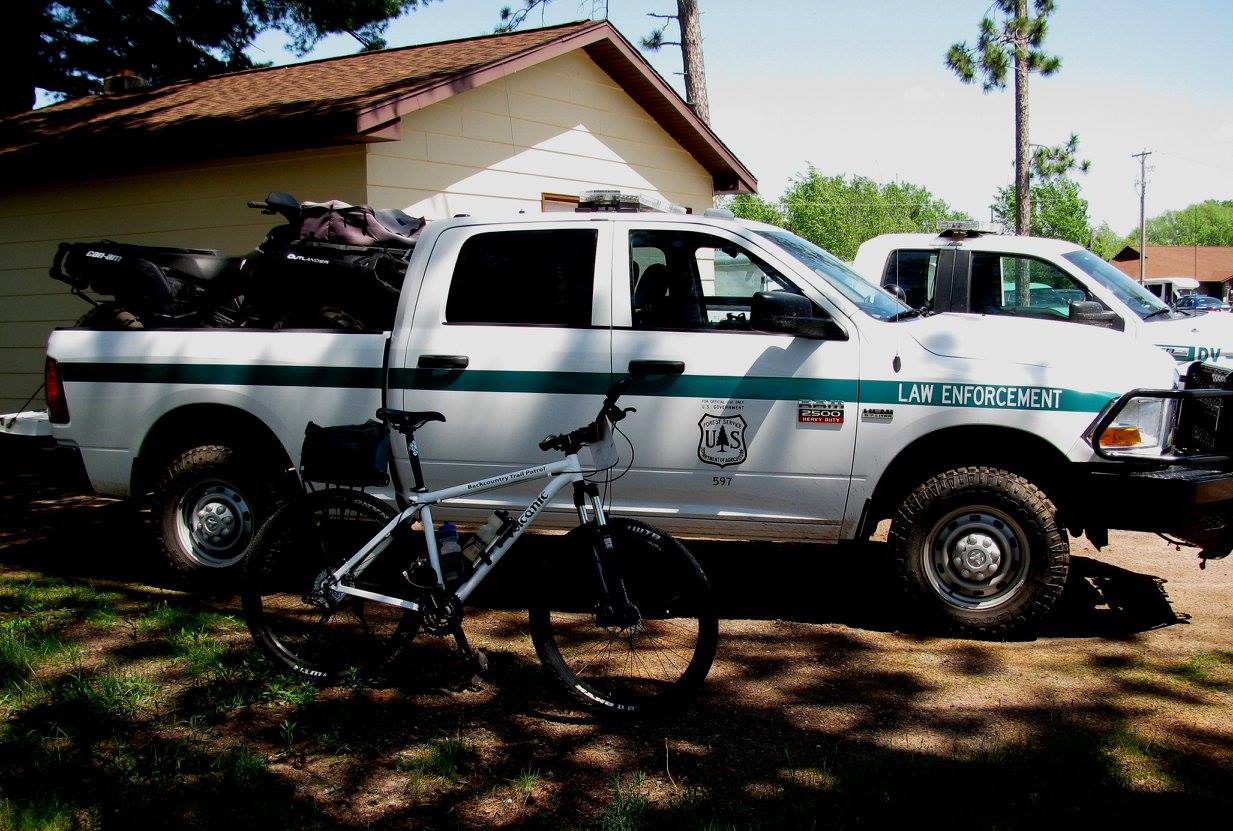 The patrol is not law enforcement, but they do work in partnership and communication with the authorized law enforcement agencies and as such are responsible for observing and recognizing any acts that may constitute a potential health hazard to the safety of forest resources and visitors.


 When exposed to cold temperatures, your body begins to lose heat faster than it can produce. Prolonged exposure to cold will eventually use up your body’s stored energy, resulting in hypothermia, or abnormally low body temperature.


